What Parts of a Vehicle Should Get Paint Protection Film First?
GET A FREE ESTIMATEEvery vehicle owner in Durham, NC knows how quickly a clean, freshly detailed car can start showing signs of wear after just a few weeks on the road. Between highway commutes, gravel driveways, and unpredictable weather, factory paint takes a beating in ways that are not always obvious until the damage has already been done. This is where understanding proper paint protection film coverage becomes essential, especially for drivers who want to protect their investment without covering every inch of the vehicle right away. At Wellstone Auto Spa, we regularly guide customers through the process of deciding which areas of their car deserve attention first, based on real exposure patterns rather than guesswork. This blog walks through the vehicle zones that see the most impact from daily driving and explains why prioritizing them can make paint protection film both more affordable and more effective in the long run.
Understanding the Most Vulnerable Zones on Your Vehicle
Before deciding how much paint protection film coverage a vehicle needs, it helps to understand which areas absorb the most damage during ordinary driving conditions. Certain sections of a car face constant contact with debris, rocks, insects, and road grit simply because of their position and shape. These zones are not damaged occasionally; they are damaged continuously, mile after mile, which is why they deserve the earliest attention when planning a protection strategy. At Wellstone Auto Spa, we recommend prioritizing these high-impact areas first so vehicle owners can get the greatest protection from their paint protection film investment. Recognizing these high-risk areas allows vehicle owners to make smarter decisions about where their protection budget goes first, rather than spreading coverage too thin across less vulnerable panels.
Front Bumper – The First Point of Impact
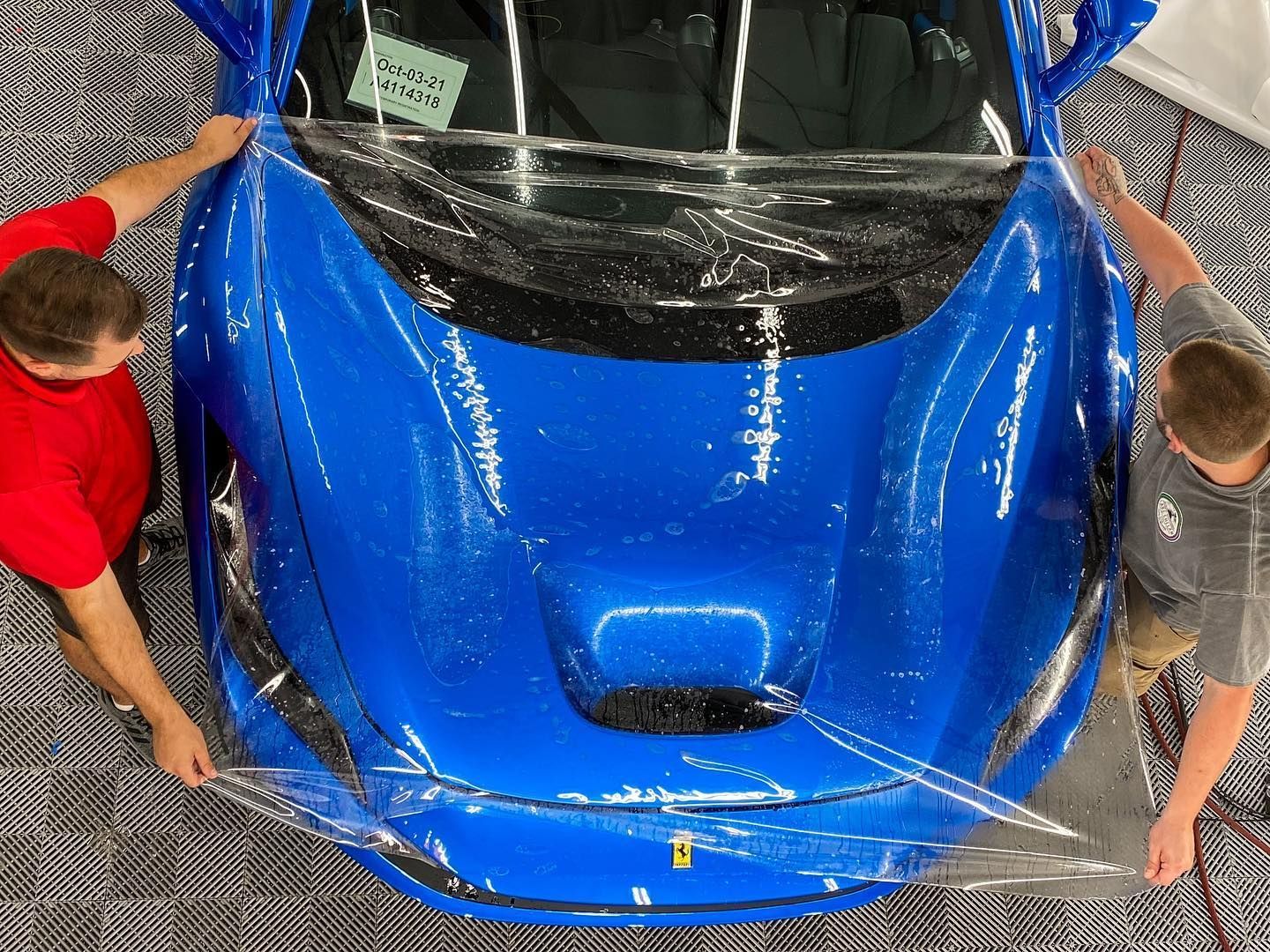
The front bumper takes the brunt of nearly every hazard a vehicle encounters on the road, since it is the leading edge that pushes through wind, gravel, and debris kicked up by other cars. Highway driving in particular sends small stones and road material directly into this area at high speeds, often leaving behind chips that are barely visible at first but grow more noticeable over time. Because the front bumper is also one of the most visually prominent parts of any vehicle, damage here tends to stand out more than minor scratches elsewhere. Applying paint protection film to this zone first gives the clearcoat a durable barrier against the kind of repetitive, low-level impact that is nearly impossible to avoid during normal commuting.
Hood – Constant Exposure to Debris and Sun
The hood sits in a similarly exposed position, facing not only rock chips and gravel but also prolonged exposure to sunlight, insects, and airborne debris. Bug splatter left to sit under direct sun can etch into paint faster than most drivers realize, while sun fading gradually dulls the finish across large flat panels like the hood. Because this surface is broad and highly visible, even minor imperfections tend to catch the eye more easily than damage on smaller or less central parts of the car. Protecting the hood early on helps preserve the smooth, glossy appearance that most owners associate with a well-maintained vehicle.
Fenders – Catching Side Splashes and Rock Chips
Fenders often go overlooked in protection planning, yet they sit close enough to the wheel wells to catch a significant amount of splash-up, road spray, and rock chips kicked outward by the tires. Vehicles that spend time on rural roads or unpaved surfaces around Durham, NC tend to see even faster wear in this area, since gravel and loose debris get thrown directly onto the fender surface. Curb proximity during parking also adds another layer of risk, since fenders are frequently the first panel to make contact during tight turns. Including fenders in an early protection plan helps close a gap that many vehicle owners do not think about until the damage has already appeared.
Additional High-Risk Areas Worth Prioritizing
Beyond the most obvious front-facing panels, several other areas of a vehicle experience daily wear that often goes unnoticed until it becomes a visible problem. These sections may not be the first thing drivers think of when considering paint protection film coverage, but they are just as important for maintaining a clean, long-lasting exterior. Addressing these areas alongside the primary impact zones creates a more complete protection strategy that accounts for how vehicles are actually used day to day.
Side Mirrors – Small Parts, High Exposure
Side mirrors may be small, but their forward-facing position makes them one of the most exposed parts of the entire vehicle. Positioned at windshield height and jutting outward from the body, they take on rock chips and road debris at nearly the same rate as the hood or bumper, yet they are frequently left unprotected simply because of their size. Once chipped, mirror housings and the surrounding paint can be difficult to touch up cleanly, often leaving a visibly rough texture that stands out against the rest of the vehicle. Adding coverage to this area early prevents a small oversight from becoming a noticeable cosmetic issue down the line.
Door Edges – Everyday Wear from Opening and Closing
Door edges face a different kind of wear altogether, one that comes from routine use rather than road debris. Every time a door opens near a curb, a shopping cart, or a tight parking space, there is a chance of minor scuffs, dings, or paint transfer from nearby surfaces. Keys, bags, and belt buckles brushing against the edge while entering or exiting the vehicle also contribute to gradual wear that accumulates over months and years of ownership. Since this damage happens during everyday activity rather than during driving itself, many owners are surprised by how quickly it adds up. Covering door edges early helps maintain a clean look in one of the most frequently touched areas of the car.
Rocker Panels and Rear Loading Areas – Overlooked but Essential
Rocker panels sit low along the sides of the vehicle, placing them directly in the path of splash-up from the tires and road spray kicked up during wet or muddy conditions. This constant low-level exposure can wear down paint gradually, particularly on vehicles that see regular rain or unpaved roads. Rear loading areas face a different challenge, often absorbing minor scratches and scuffs from cargo being loaded and unloaded, especially on SUVs and trucks used for hauling gear or equipment. Because both of these zones are lower on the priority list in many owners' minds, they often go unprotected until visible wear has already set in. Including them in an early coverage plan rounds out a strategy that addresses both road exposure and everyday functional use.
How Prioritizing PPF Coverage Protects Long-Term Paint Value
Choosing to protect the most vulnerable areas of a vehicle first is not just about avoiding immediate cosmetic damage; it is also about preserving the long-term value of the exterior finish. Factory paint that remains free of chips, minor scratches, and dulling is far easier to maintain and typically holds up better during resale evaluations, inspections, and trade-in appraisals. Vehicles that show consistent wear across high-impact zones often require costly touch-up work or repainting sooner than expected, which can add up significantly over years of ownership. At Wellstone Auto Spa, we help Durham, NC, vehicle owners choose paint protection film coverage that targets these high-impact areas for lasting protection and a cleaner exterior. By focusing paint protection film coverage on the zones most likely to suffer damage first, vehicle owners can extend the life of their original finish while avoiding the expense and inconvenience of repeated repairs.
Why Durham, NC Drivers Should Consider Paint Protection Film Coverage
Local driving conditions play a real role in how quickly a vehicle's exterior shows wear, and Durham, NC, presents its own mix of challenges for daily drivers. Frequent highway travel, ongoing construction zones, and seasonal debris from trees and storms all contribute to the kind of repetitive impact that wears down paint over time. Humidity and sun exposure throughout the warmer months can also accelerate fading and clearcoat breakdown on unprotected panels. For drivers navigating these conditions regularly, applying paint protection film coverage to key vulnerable areas offers a practical way to keep a vehicle looking newer for longer, regardless of how many miles it accumulates each week.
Choosing the Right PPF Coverage Plan for Your Vehicle
Not every vehicle owner needs the same level of coverage, which is why choosing the right plan often comes down to individual driving habits and priorities. Highway commuters may benefit most from prioritizing the front bumper, hood, and mirrors, while owners who frequently load cargo or drive on rougher roads might place more importance on rocker panels and rear loading areas. Partial coverage focused on these high-impact zones offers a practical starting point for those not yet ready for full-vehicle protection while still delivering meaningful defense against the most common sources of damage. Speaking with a professional detailer can help clarify which combination of areas makes the most sense based on how and where a vehicle is driven. Professional paint protection film installation helps ensure precise coverage, seamless edges, and long-lasting adhesion on every protected panel. Proper installation also allows the film to perform as intended, providing reliable defense against rock chips, minor scratches, bug splatter, and other everyday road hazards.
Build a Practical Paint Protection Plan
Protecting a vehicle's exterior does not have to mean covering every panel from day one. By focusing first on the areas most exposed to rock chips, minor scratches, bug splatter, and everyday wear, owners can make paint protection film coverage a practical and effective part of their maintenance routine. From the front bumper and hood to fenders, mirrors, door edges, rocker panels, and rear loading areas. Each of these zones plays a role in how well a vehicle holds up over time. Prioritizing coverage in this way allows Durham, NC, drivers to protect their property. Paint, reduce visible wear, and support long-term exterior value without unnecessary upfront cost. Ready to protect your vehicle's most vulnerable areas?
Contact us today to schedule a professional paint protection film consultation and find the right coverage package for your vehicle.
SHARE WITH YOUR FRIENDS
How Automotive Ceramic Coating Saves You Time and Money