Signs Your Ceramic Coating Needs Reapplication
GET A FREE ESTIMATECeramic coatings are designed to provide long-term protection, but even premium coatings experience wear over time. Exposure to sun, rain, road contaminants, and improper maintenance can gradually reduce their performance. Recognizing ceramic coating lifespan signs early help vehicle owners maintain the protection, shine, and durability they originally invested in. Understanding how coatings behave as they age can prevent reduced performance from going unnoticed until the paint becomes vulnerable. For drivers in Durham, NC, environmental conditions can influence coating longevity, making routine evaluation especially important. At Wellstone Auto Spa, helping clients preserve their vehicle’s finish includes knowing when a coating may need professional attention or reapplication.
How Ceramic Coatings Change as They Age
Ceramic coatings do not suddenly stop working overnight. Instead, they gradually lose some of their original performance due to environmental exposure and everyday wear. Durham drivers often deal with UV rays, humidity, pollen, and road grime that can slowly impact hydrophobic behavior and surface protection. While high-quality coatings are built for durability, age, and conditions influence how effectively they continue shielding paint. Recognizing these changes helps distinguish between normal aging and signs that may point to the need for reapplication. Monitoring this progression is a major part of protecting long-term coating performance.
Environmental Exposure That Affects Coating Performance
Daily exposure plays a major role in how long a ceramic coating performs at its peak. Vehicles parked outdoors or driven regularly encounter sunlight, airborne contaminants, rainwater minerals, and road pollutants that can slowly wear away protective properties. Durham’s climate can introduce additional challenges, especially with seasonal shifts that place different stresses on the coating. Even proper coatings can show reduced performance when exposed to harsh conditions over time. This gradual impact is often where early ceramic coating lifespan signs begin to appear.
Why Coating Performance Gradually Declines
Most coatings lose performance in stages rather than failing all at once. Water repellency may weaken first, followed by reduced gloss or diminished resistance to contamination. This natural decline can be influenced by maintenance habits, mileage, and the quality of the original application. Understanding this progression helps vehicle owners avoid assuming a coating is performing normally when warning signs may already be present. Recognizing subtle changes early often allows for maintenance corrections before full reapplication becomes necessary.
Reduced Water Beading Is One of the First Ceramic Coating Lifespan Signs
One of the clearest indicators of coating performance is how the surface handles water. Strong ceramic coatings create tight water beads and fast sheeting that help keep contaminants from bonding to the paint. When this hydrophobic behavior begins changing, it often signals that the coating may be wearing down. Because water performance is easy to observe during routine washing, it often becomes one of the first noticeable signs of ceramic coating lifespan. Paying attention to these changes can help determine whether maintenance or reapplication may be needed.
How Hydrophobic Performance Should Look
When a coating is functioning properly, water should bead tightly and roll away easily from the painted surface. This behavior supports self-cleaning properties and helps reduce water spotting. A properly performing coating often makes washing easier and helps the vehicle stay cleaner longer. These effects are part of what many owners expect from professional
ceramic coating services. If those characteristics begin fading, the coating may no longer be delivering the same level of protection.
Signs Water Behavior Is Declining
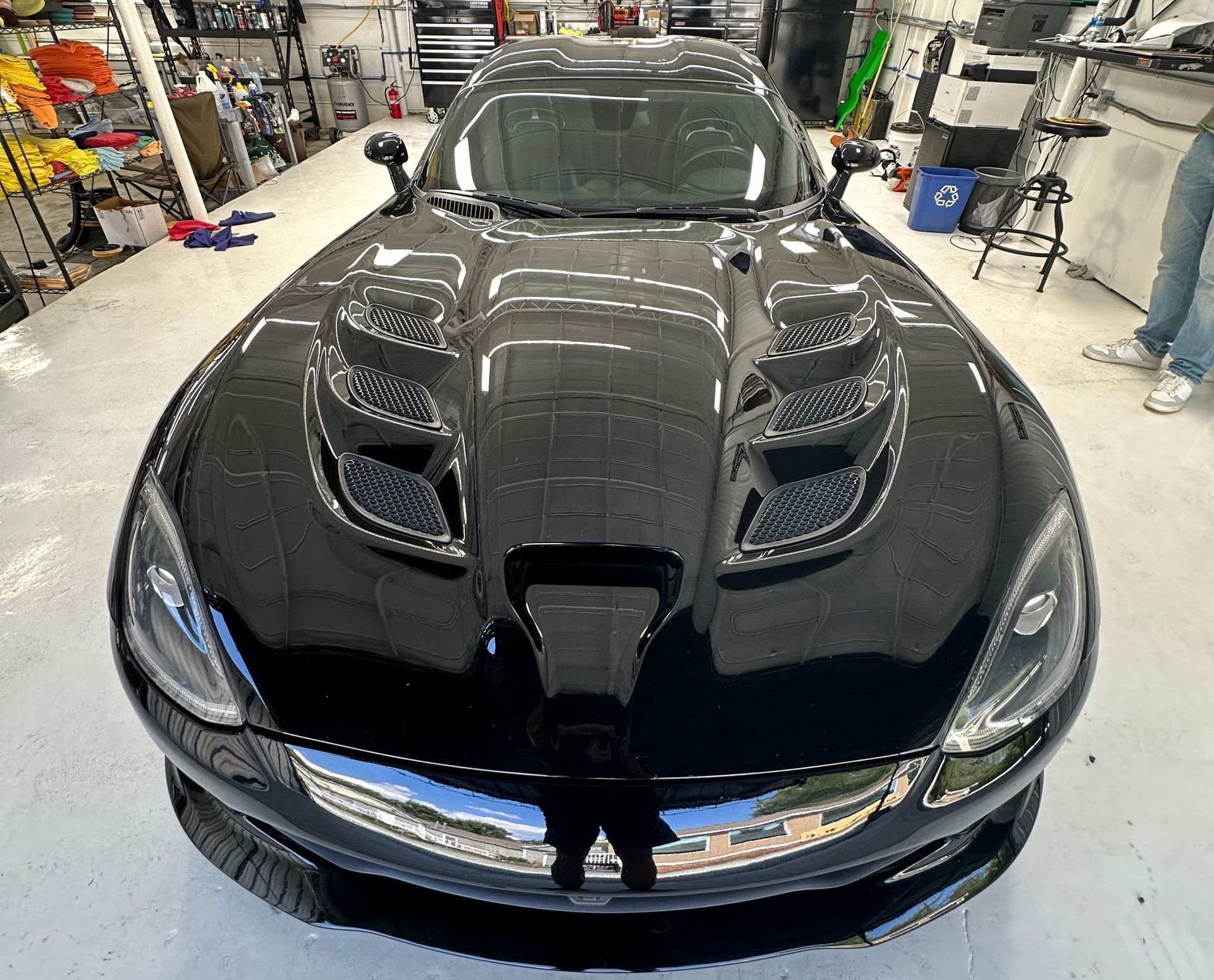
Water pooling instead of beading, slower runoff, and increased spotting can all indicate declining coating performance. These signs often appear before visual dullness or more obvious protection loss. Some owners notice the difference when routine washes stop producing the same clean, slick finish they once did. When these changes continue despite proper care, they may suggest the coating is approaching the point where professional evaluation becomes worthwhile.
How to Test Hydrophobic Performance at Home
Simple observation during washing can reveal a great deal about coating condition. Watching how water beads and sheets across the surface allows owners to compare current behavior to earlier performance. If the vehicle no longer sheds water as effectively as it once did, the coating may need attention. Consistent monitoring over time gives a clearer picture than relying on one isolated wash. When performance changes become noticeable, professional inspection can help determine whether maintenance or reapplication is appropriate.
Loss of Gloss and Surface Slickness May Signal Reapplication Is Needed
Ceramic coatings do more than protect paint; they also enhance depth, gloss, and smoothness. When those visual and tactile qualities begin fading, it may be a sign that the coating is no longer performing as intended. Diminished gloss and reduced slickness are common ceramic coating lifespan signs that often develop gradually. Because these changes can be subtle at first, they are often overlooked until protection has declined further. Evaluating finish quality regularly helps identify these issues early.
Fading Shine Compared to Original Finish
A properly functioning coating should continue supporting rich gloss and reflective depth. If the paint begins looking flatter or less vibrant despite proper washing, coating performance may be declining. This reduced gloss can indicate that the protective layer is aging or that contamination is interfering with its effectiveness. Since shine is one of the major visual benefits of ceramic coatings, changes in appearance often deserve attention. Professional evaluation can help determine whether restoration or reapplication may be the better solution.
Surface No Longer Feels Smooth
One common but often overlooked sign of coating wear is reduced slickness. A surface that once felt smooth may begin feeling rougher or less refined after washing. This can result from contamination buildup or weakening protective properties. When the coating no longer maintains its original slick finish, it may be signaling diminished performance. This change often appears alongside other signs that the coating may need professional attention.
When Decontamination May Help vs. Reapplication
Not every drop in performance means a coating has failed. In some cases, contamination buildup may be preventing the coating from behaving as intended, and maintenance services may restore much of its performance. However, if decontamination does not improve water behavior, gloss, or slickness, reapplication may be necessary. Distinguishing between clogged coatings and worn coatings often requires experienced inspection. That is where professional services can provide clarity and help preserve long-term protection.
Increased Dirt Buildup Can Indicate Diminished Coating Performance
One major advantage of ceramic coatings is that they help reduce how strongly dirt and grime stick to paint. When a vehicle seems to get dirtier more quickly or becomes harder to keep clean, coating performance may be changing. This shift often develops gradually, making it one of the more overlooked ceramic coating lifespan signs. Increased contamination buildup may signal that the self-cleaning behavior of the coating is fading. Recognizing this early can help prevent larger performance issues.
Vehicle Gets Dirtier Faster Than Before
If your vehicle begins attracting dust, grime, or road film faster than it once did, the coating may not be repelling contaminants as effectively. Many owners notice they need to wash more often to maintain the same appearance. This increased maintenance demand can point to weakening coating performance. Because this change may seem minor at first, it is often dismissed as seasonal buildup when it may actually reflect coating wear.
Self-Cleaning Properties Start Fading
A healthy coating helps contaminants release more easily during routine washing. If dirt begins clinging more aggressively or washing no longer feels effortless, the self-cleaning properties may be diminishing. This often happens as hydrophobic behavior declines. Since easy maintenance is one of the core benefits of ceramic coatings, reduced cleaning performance can be a strong indicator that reapplication may eventually be needed.
Why Dirt Retention Can Be a Warning Sign
When contaminants stay on the surface longer, they can increase the chance of staining, water spotting, or long-term finish issues. That makes increased dirt retention more than a cosmetic inconvenience. It may indicate that protective properties are weakening. Paying attention to how easily your vehicle sheds contaminants can offer valuable insight into coating condition and whether professional evaluation is warranted.
Diminished Protection Against Everyday Hazards
As coatings age, their resistance to common environmental hazards may begin to weaken. This can show up through more frequent water spots, light staining, or a finish that seems more vulnerable than before. Since ceramic coatings are designed to support paint defense, reduced resistance is one of the strongest signs of a ceramic coating's lifespan signs. When this happens, waiting too long for inspection can allow protection loss to progress further.
More Visible Water Spots, Etching, or Light Staining
If water spots appear more often or minor etching becomes easier to notice, the coating may not be defending the surface as effectively. These issues often develop gradually and may be easy to overlook at first. However, they can be early indicators that the coating is no longer offering the same protective barrier. Addressing these changes early can help preserve both appearance and paint condition.
Paint Seems More Susceptible to Minor Damage
When the finish appears increasingly affected by contamination or daily exposure, diminished coating performance may be contributing. A coating nearing the end of its life may no longer provide the same environmental resistance it once did. This can make the paint feel more vulnerable even under normal driving conditions. Professional evaluation can help determine whether renewing the coating would better support continued protection.
How to Evaluate Ceramic Coating Performance Over Time
Monitoring coating health over time helps vehicle owners avoid guessing about performance. Routine observation of water behavior, gloss, cleanliness, and surface feel can reveal changes before major protection loss occurs. Evaluating these factors consistently makes it easier to recognize when professional maintenance or reapplication should be considered. At Wellstone Auto Spa, helping clients understand these performance indicators is part of supporting long-term vehicle care.
Create a Routine Performance Checklist
Checking water behavior, gloss retention, and ease of cleaning on a regular basis can reveal trends that point to coating wear. These observations do not require specialized tools and can provide valuable insight into coating condition. Tracking performance over time often makes subtle changes easier to recognize. This kind of proactive monitoring supports longer-lasting protection.
Seasonal Inspection Tips for Durham Drivers
Durham’s changing seasons can influence how coatings perform throughout the year. Heat, pollen, humidity, and winter contaminants may each affect surface protection differently. Seasonal inspections help identify whether environmental exposure may be accelerating wear. Professional inspections can add confidence when evaluating whether a coating is still performing as intended.
Maintenance Records Can Help Track Coating Health
Keeping track of when a coating was installed and how it has been maintained can help assess current performance. Maintenance history often provides useful context when deciding whether warning signs indicate normal aging or more advanced wear. These records also support better long-term planning for preserving the coating investment.
Signs It Is Time to Schedule a Professional Ceramic Coating Inspection
When multiple warning signs appear together, professional evaluation is often the best next step. Reduced beading, fading gloss, increased contamination, and diminished protection can all suggest a coating may need attention. Rather than relying on guesswork, professional inspection helps determine whether maintenance correction or reapplication is the better solution. This approach helps protect both appearance and long-term paint value.
When At-Home Evaluation Is Not Enough
While visual observation is helpful, some coating issues require professional assessment to diagnose accurately. If performance changes continue despite proper maintenance, inspection can reveal whether contamination or actual coating wear is responsible. This can prevent unnecessary reapplication while ensuring real protection loss does not go unaddressed.
What Professionals Look for During Inspection
Professional coating evaluations often assess hydrophobic behavior, contamination levels, gloss retention, and coating integrity. These inspections help determine whether maintenance services can restore performance or whether reapplication is the better long-term option. At Wellstone Auto Spa, professional assessments are designed to help vehicle owners make informed decisions about preserving their finish.
How Proper Maintenance Can Delay Reapplication
Although coatings may eventually need reapplication, proper care can often help extend performance. Safe washing methods, decontamination services, and routine inspections all contribute to maximizing coating longevity. Maintenance also makes the lifespan signs easier to identify accurately because performance changes become more noticeable when the coating has been cared for properly.
Routine Care Practices That Support Longevity
Consistent maintenance helps coatings resist premature wear and continue performing closer to their intended lifespan. Proper washing and periodic professional care reduce contamination buildup and help preserve hydrophobic and protective properties. This ongoing attention often delays the need for reapplication while supporting better long-term results.
Preserve Your Finish by Monitoring Ceramic Coating Performance
Recognizing ceramic coating lifespan signs is essential for maintaining the protection and appearance that your vehicle depends on. Reduced water beading, fading gloss, increased dirt buildup, and diminished resistance to environmental hazards can all suggest it may be time to evaluate coating performance. Watching for these signs allows vehicle owners to take action before protection declines too far. With routine monitoring and professional support when needed, your ceramic coating can continue delivering the shine, defense, and value it was designed to provide. If you’re considering paint protection film for your vehicle,
contact us today to explore the right coverage and experience expert installation designed for lasting results.
SHARE WITH YOUR FRIENDS
How Automotive Ceramic Coating Saves You Time and Money