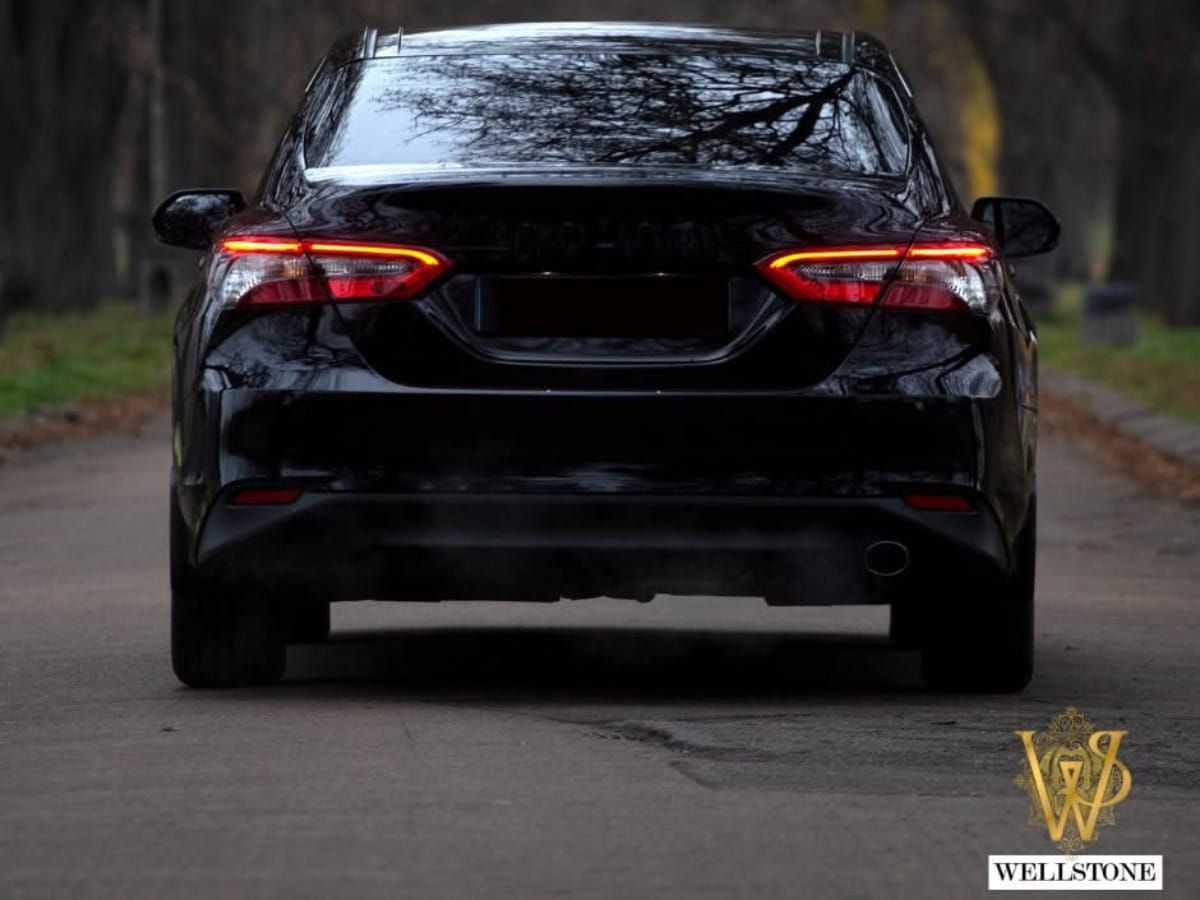
Step-by-Step Guide to Getting Paint Protection Film
GET A FREE ESTIMATEProtecting a vehicle’s finish in Durham, NC, takes more than occasional detailing, especially with daily exposure to road debris, UV rays, bug splatter, and environmental contaminants. That is why many vehicle owners turn to paint protection film as a long-term solution for preserving their paint and maintaining a like-new finish. Understanding how PPF is applied helps drivers know what to expect from the installation process and why professional service plays a major role in achieving durable and seamless results. At Wellstone Auto Spa, every paint protection film service follows a detailed process built around precision, appearance, and long-term performance. From preparation through curing, each step contributes to a protective finish designed to defend against everyday road damage while enhancing the value of the vehicle.
Why Proper Preparation Matters Before PPF Installation
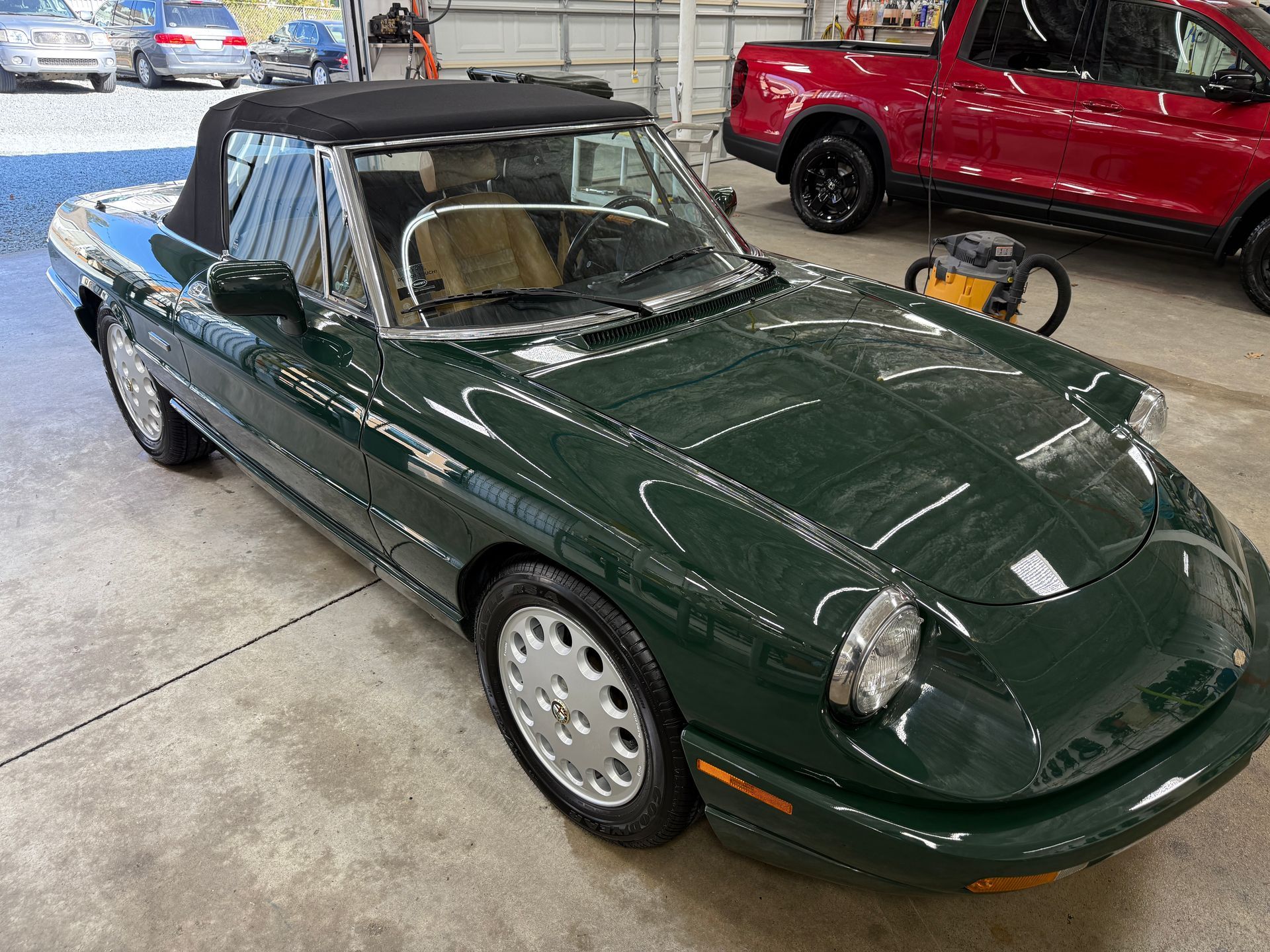
Before the film is ever placed on a vehicle, the preparation stage sets the foundation for successful installation. This part of the process often determines how well the film bonds, how seamless it appears, and how long it performs. Professional paint protection film installation is not simply about applying material over paint. It starts with creating the ideal surface for that film to adhere properly and perform as intended over time.
Evaluating the Vehicle’s Paint Condition
Every professional installation begins with inspecting the paint to assess its condition. Even vehicles that appear clean may have swirl marks, oxidation, water spots, or minor imperfections that could affect the final result once covered by film. Since paint protection film preserves whatever lies beneath it, identifying flaws early is an important part of the process. At Wellstone Auto Spa, evaluating the surface helps determine whether paint correction is recommended before installation begins. This step supports a cleaner finish and allows the protective film to enhance the appearance rather than trap visible defects under its surface.
Thorough Washing and Decontamination Process
A deep cleaning process follows the inspection to remove contaminants that can interfere with adhesion. This goes beyond a standard wash, targeting road grime, iron deposits, bug residue, tar, and other embedded particles. If even microscopic contaminants remain on the paint, they can affect both the appearance and bonding of the film. Proper decontamination is a major part of understanding how PPF is applied, because film performs best on a perfectly prepared surface. This stage ensures the paint is as clean and smooth as possible before installation begins.
Surface Correction Before Film Application
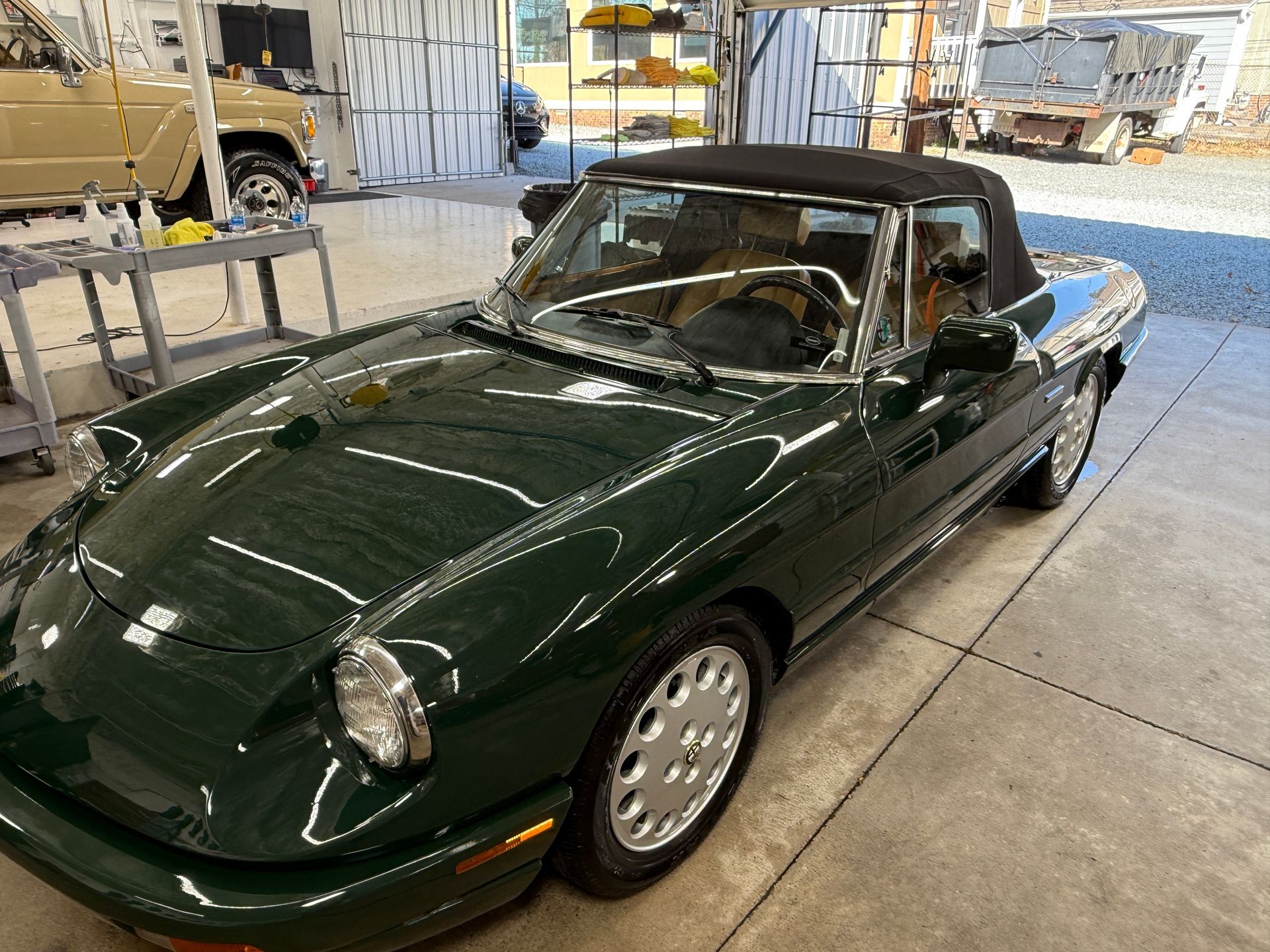
Once the surface is decontaminated, paint correction may be performed to refine the finish. This step removes light scratches and swirls while restoring clarity and gloss before the film is installed. Since paint protection film acts as a transparent shield over the paint, many owners choose correction first to lock in a flawless finish underneath. This preparation improves both the visual result and long-term performance of the installation. It is one of the reasons professional paint protection services offer far more than simple film application.
Choosing the Right Areas for Paint Protection Film Coverage
Coverage planning is another important part of the process, as different vehicles and driving habits call for different levels of protection. Durham drivers often encounter highway travel, construction zones, and everyday hazards that can influence which surfaces benefit most from protection. Choosing the right coverage helps align the installation with the vehicle’s needs and the owner’s goals.
Full Front Coverage vs. Partial Coverage
Many drivers start with front-end protection because these surfaces experience the greatest impact from road debris. Hood sections, bumpers, fenders, and mirrors are common high-risk areas. Depending on the package selected, protection can focus on the most exposed surfaces or provide broader front-end defense. Understanding these options allows vehicle owners to make informed decisions based on how and where they drive while ensuring their investment addresses common sources of damage.
Full Vehicle Protection for Maximum Defense
For those seeking comprehensive protection, full-body paint protection film offers broader coverage and peace of mind. This option protects more painted surfaces from minor scratches, chips, and environmental wear while helping preserve a consistent finish throughout the vehicle. Full vehicle protection is often ideal for luxury vehicles, performance models, and owners focused on long-term preservation. It demonstrates how paint protection film can be tailored not just for impact resistance but for complete surface protection.
Step-by-Step Process of How PPF Is Applied
Once preparation and coverage planning are complete, the actual installation process begins. This is where craftsmanship and precision become essential. Understanding how PPF is applied means looking closely at each stage that transforms a protective film into an invisible layer of defense.
Precision Measuring and Film Plotting
Professional installation often begins with precision-cut patterns created specifically for the vehicle. Advanced plotting systems help generate accurate film sections designed to fit each panel. This improves consistency while reducing unnecessary trimming on the vehicle itself. In some cases, custom bulk installations may be used for even more tailored edge wrapping. Regardless of the method, precision at this stage supports seamless coverage and contributes to a cleaner final appearance.
Slip Solution and Surface Positioning
Before the film bonds to the paint, a specialized installation solution allows it to be positioned accurately. This creates the flexibility needed for precise alignment while helping installers work the material over the panel correctly. Positioning is especially important around curves, edges, and detailed surfaces. Small adjustments during this stage help ensure proper fitment and prepare the film for secure bonding.
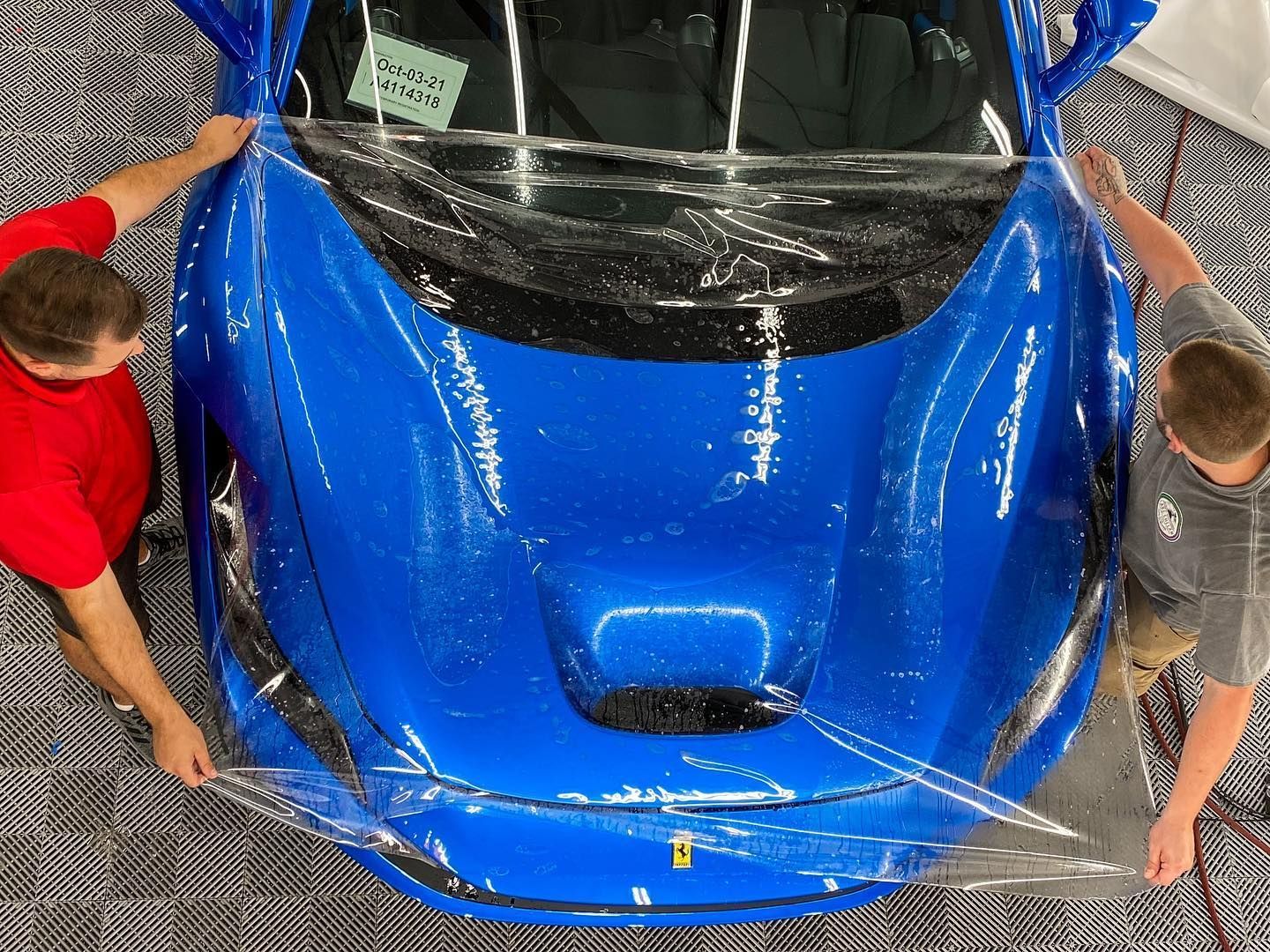
Applying the Film Panel by Panel
Paint protection film is applied methodically, one panel at a time. Each section is carefully aligned, adjusted, and conformed to the vehicle’s contours. This process requires attention to detail, especially on vehicles with sculpted body lines or complex surfaces. Professional technique ensures the film lays smoothly while preserving clarity and protection. This stage highlights why expert installation is such an important part of achieving lasting results.
Squeegeeing Out Moisture and Air Pockets
After placement, specialized tools are used to remove trapped solution and air from beneath the film. This process supports adhesion while helping create a smooth, transparent appearance. Proper moisture removal is critical because it contributes directly to both appearance and long-term durability. It is another reason the installation process involves far more than simply laying film over paint.
Wrapping Edges for a Nearly Invisible Finish
Where possible, professional installers wrap film around edges rather than ending at exposed lines. This technique helps create a cleaner appearance while reducing the likelihood of lifting over time. Edge wrapping also enhances protection by extending coverage into vulnerable areas often missed by less refined installations. These finishing details are often what distinguish premium PPF work from basic application.
Special Attention to Complex Surfaces and Detailed Areas
Some parts of a vehicle require even greater precision due to shape and exposure. Complex surfaces and high-impact zones often demand advanced techniques to ensure both protection and appearance remain uncompromised.
Handling Curves, Corners, and Body Lines
Modern vehicle designs often feature aggressive curves and sharp body lines that require skilled manipulation of the film. These areas can be challenging because the material must conform without overstretching or creating imperfections. Professional installers understand how to work these surfaces while maintaining smooth adhesion and seamless results. Their expertise is what allows film to protect difficult areas while remaining nearly invisible.
Protecting Vulnerable High-Impact Zones
Areas such as rocker panels, mirrors, and lower bumpers often face constant exposure to road debris and abrasion. These surfaces typically receive focused attention during installation because they are among the most vulnerable parts of the vehicle. Protecting these areas reinforces how paint protection film supports real-world durability, not just appearance enhancement.
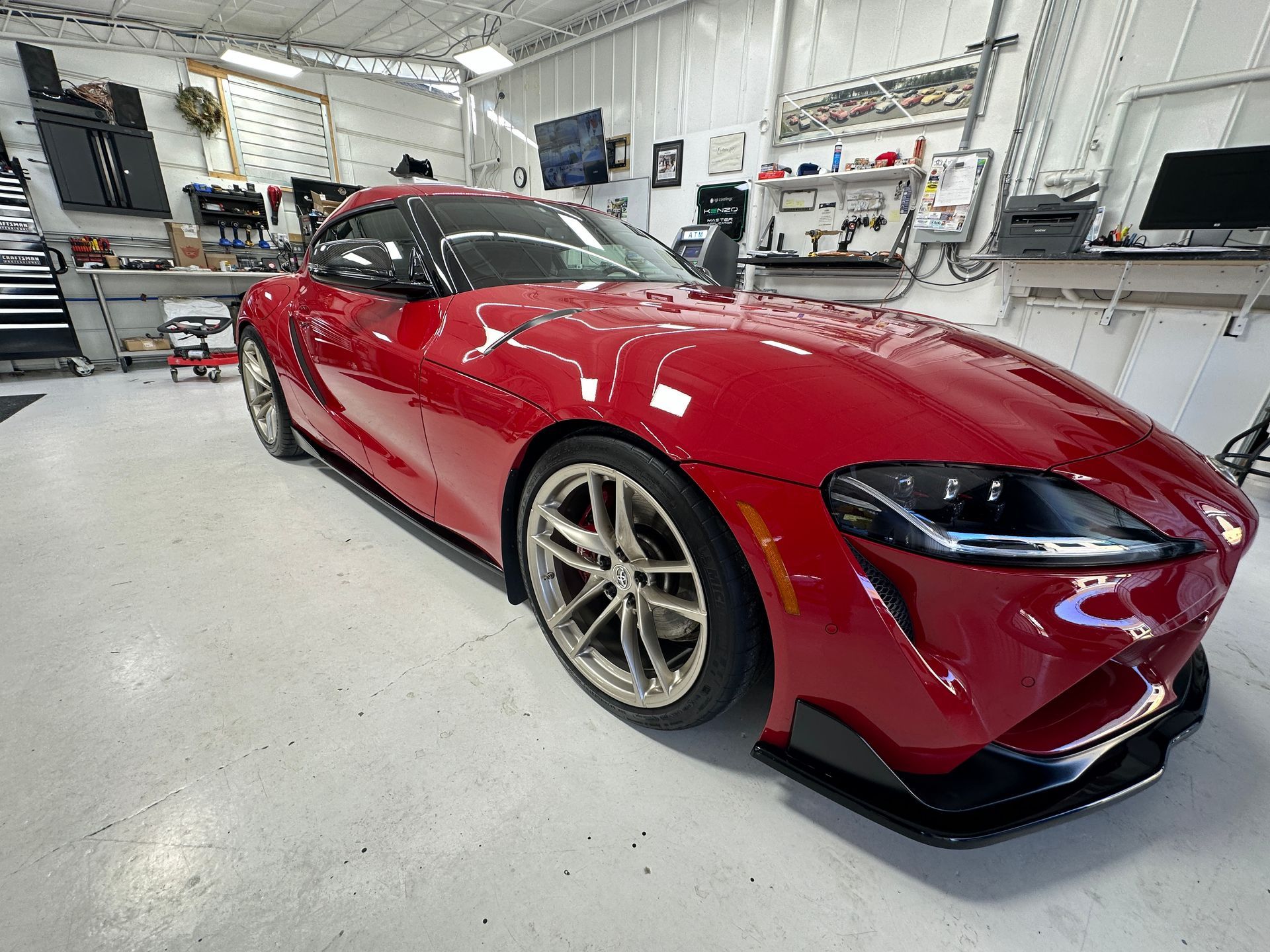
The Curing and Post-Installation Process
Once the film is installed, curing allows the adhesive to settle and the installation to fully stabilize. This stage is just as important as the application itself because it affects both the final appearance and long-term performance of the film.
What to Expect Immediately After Installation
Freshly installed film may show slight moisture haze or small bubbles during the settling process. These are often normal and tend to diminish as curing progresses. Knowing what to expect helps vehicle owners understand the process and feel confident in the results as the installation fully develops.
How Long Does Paint Protection Film Take to Cure
Curing times can vary depending on environmental conditions and film type, but allowing this process to complete is essential for long-term adhesion. During curing, the film settles more completely against the paint and reaches its intended performance. Understanding this stage is an important part of knowing how PPF is applied, because installation does not end when the film is first placed.
Post-Installation Care Recommendations
Following proper aftercare recommendations helps protect the film while it cures. Avoiding immediate washing and following the installer's guidance supports the best long-term results. Professional aftercare recommendations help ensure the protection performs as intended and that clients receive maximum value from their investment.
Why Professional Installation Makes a Difference
Paint protection film offers advanced protection, but installation quality largely determines how well it performs. Professional service combines specialized tools, controlled environments, and trained techniques to achieve better results than film alone can provide.
Precision and Seamless Results
Professional installers focus on alignment, edge finishing, and detail work that contributes to a cleaner final appearance. This precision creates the seamless coverage vehicle owners expect from premium protection services. It is also what helps the film remain discreet while delivering a reliable defense.
Long-Term Durability Depends on Installation Quality
Durability depends not just on the film material but on how it is installed. Proper adhesion, tension management, and edge treatment all influence long-term performance. Choosing experienced installers helps maximize protection while reducing risks like lifting or premature wear.
Why PPF Is a Long-Term Investment in Vehicle Preservation
Paint protection film is more than a cosmetic enhancement. It is a long-term strategy for maintaining a vehicle’s condition and supporting value retention. When professionally installed, it offers lasting benefits that extend well beyond the day of application.
Balancing Protection, Appearance, and Value
Drivers choose PPF because it helps preserve both the look and condition of their vehicles. By reducing wear and supporting paint preservation, it contributes to long-term ownership satisfaction. This balance of appearance and defense is a major part of its value.
Planning for Lasting Results
Getting the most from paint protection film starts with understanding the process and choosing experienced professionals. From preparation through curing, every stage contributes to long-term performance. At Wellstone Auto Spa, that process is designed to deliver durable protection and confidence behind the wheel.
Why Professional Paint Protection Film Is Worth It
Understanding how PPF is applied gives vehicle owners a clearer view of the precision behind professional paint protection film installation. From surface preparation and correction to film application, edge wrapping, and curing, every stage contributes to a durable and nearly invisible protective finish. For drivers in Durham, NC, this process offers a reliable way to defend against everyday road damage while preserving the appearance of their vehicle. With expert installation from Wellstone Auto Spa, paint protection film becomes more than added protection. It becomes a long-term investment in keeping your vehicle looking its best. If you’ve noticed any of these ceramic coating lifespan signs and want to ensure your vehicle continues receiving the protection it deserves,
contact us today to schedule a professional coating inspection and learn whether maintenance or reapplication is right for your vehicle.
SHARE WITH YOUR FRIENDS
How Automotive Ceramic Coating Saves You Time and Money